
When Amira arrived in Greenock eighteen months ago with her two young children and almost no English, she knew she needed a doctor. What she did not know was how to find one, how to register, or what to say when she got there. For four months, minor ailments went untreated. A persistent cough in her eldest son went unchecked. She was not lazy or disinterested — she was overwhelmed by a system that assumed a familiarity she simply did not yet have.
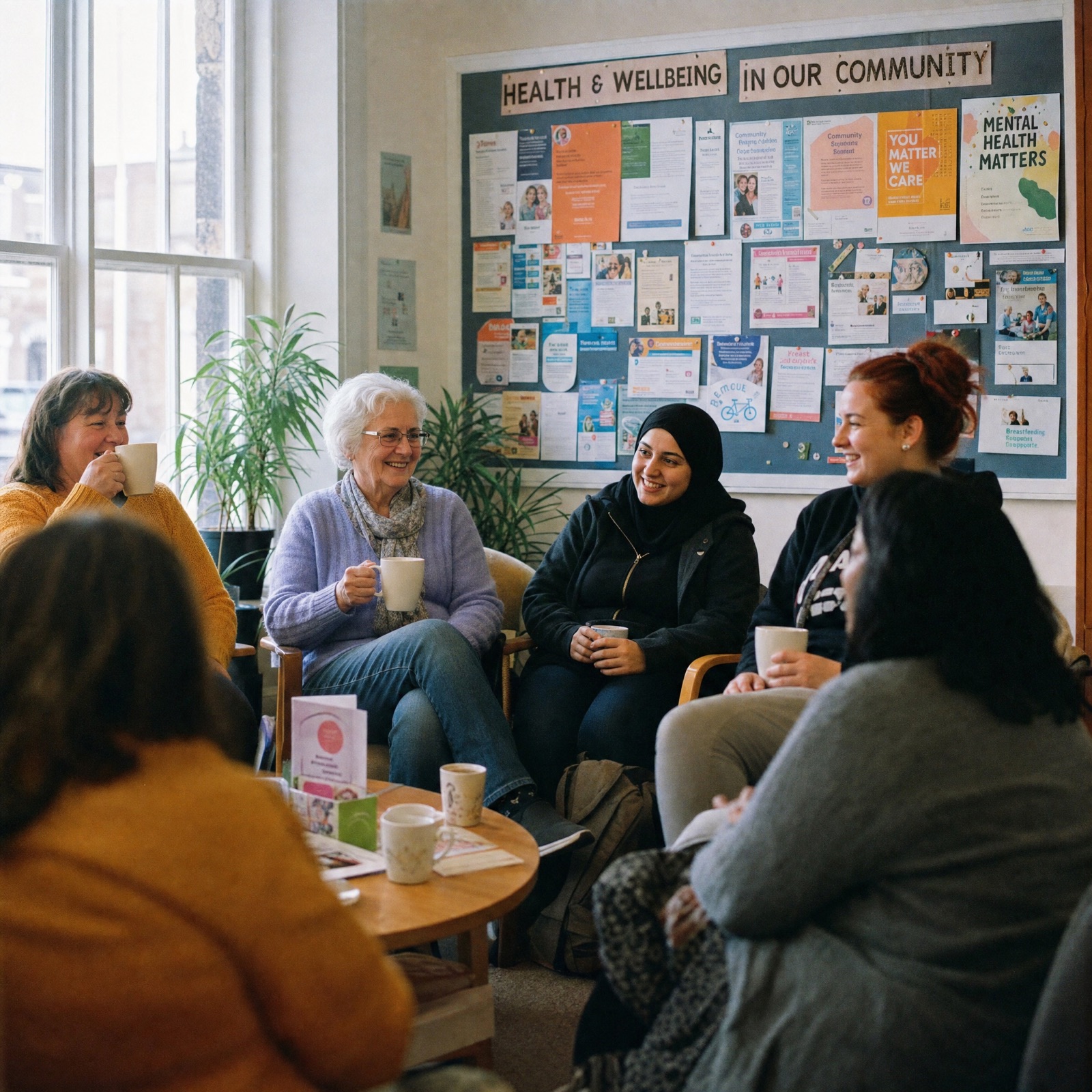
Amira's story is not unusual. Inverclyde has welcomed a growing number of families through resettlement schemes, family reunification visas, and asylum processes over the past several years. Greenock, with its tight streets running down to the Clyde and its proud working-class identity, is a community that wants to help — but good intentions cannot bridge a language gap alone. That is where Vibrant Health Advocates – North Star comes in.
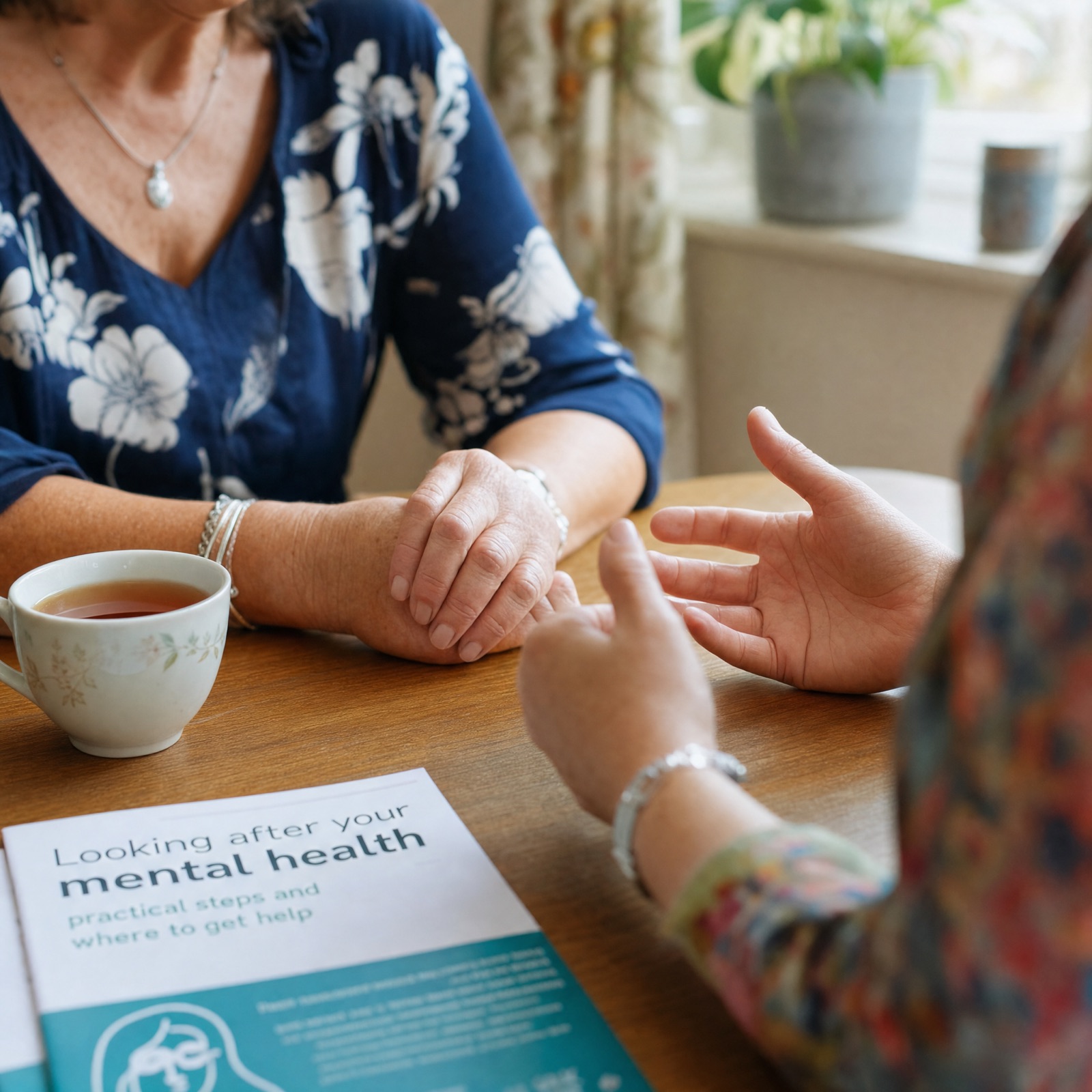
A community worker referred Amira to our programme in the spring of last year. Within a week, one of our Arabic-speaking navigators had met with her at a local community centre, sat with her over tea, and listened — really listened — to everything she had been trying to manage alone. The navigator helped her register with a GP practice in her area, explained what an NHS number is and why it matters, and accompanied her to her son's first appointment so that nothing would be lost in translation.
"I did not know the word for the pain he was describing," Amira says, speaking now with quiet confidence. "The navigator helped him say it. The doctor understood. That was the first time I felt like we were safe here."
In the months since, Amira's son has been treated for a minor respiratory condition that would have worsened without intervention. Her daughter has been enrolled in the childhood immunisation schedule. Amira herself has accessed a mental health referral through her GP — something she describes as unimaginable before she understood that the NHS offers such support.
Navigators at Vibrant Health Advocates are not simply interpreters. They carry knowledge of both the health system and the cultures they serve. They understand the stigma some communities attach to mental health referrals, the religious considerations that may shape a patient's relationship with certain treatments, and the particular anxiety that comes from not knowing whether a question is allowed. They translate not just language but context.
Amira now volunteers as a peer support contact for newly arrived Arabic-speaking families in Inverclyde. She is, in the truest sense, a product of what health navigation can do — not just for a family's physical health, but for a community's capacity to look after itself. Her story is one of hundreds, and it is exactly why this work matters.